
Do you know what…?
Why will Australia lead climate negotiations at a summit hosted and presided over by Türkiye?
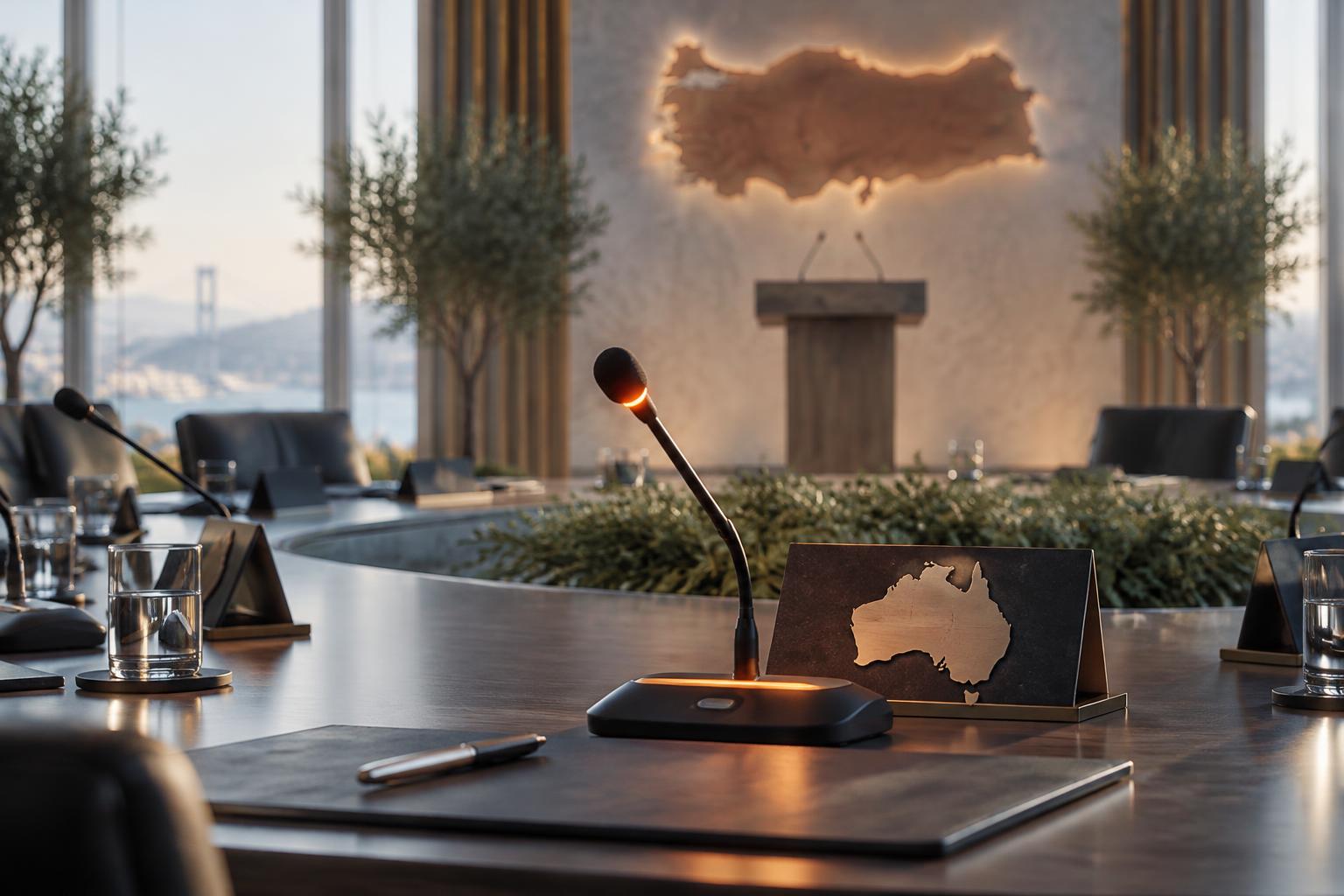
AI-generated image, not a photograph. This edition's article, audio and test are AI-generated and published automatically without prior human review. Sources · Editorial & AI Policy
Listen to today’s article
When COP31 opens in Antalya on 9 November 2026, the country welcoming delegates will not be the country leading the negotiations. Türkiye will host the UN climate ence, scheduled to run until 20 November, and its World Leaders’ Summit, while retaining the formal COP presidency. Australia will at the negotiating table. This is not simply a shared hosting label: the bilateral arrangement separates the presidency from leadership of the talks. Türkiye also leads the Action Agenda, while the April presidency letter names Australia’s Chris Bowen as President of Negotiations.
The ence’s preparatory geography extends beyond its leadership partners: Australia’s official programme scheduled Fiji to host Pre-COP and Tuvalu to host a leaders’ event, in partnership with Australia, for 5–8 October. That verifies the plans, not their completion. Australia’s negotiating leader is also to be nominated as a COP vice-president for the ence. Türkiye’s representative delegates leadership of the negotiations to Australia’s representative, with exclusive negotiating authority and a requirement for mutual consultation. Authority over the negotiating process is thus the Australian representative, but that does not the power to impose an agreement: the arrangement assigns leadership, not a licence to dictate what participating countries accept.
That distinction matters ahead of Antalya. The UNFCCC’s 26 October update reports an emphasis on implementation and acceleration in the incoming leadership’s fourth letter. Translating that emphasis into agreements still requires negotiation, whatever the organisational chart says. Consultation could be conducive to coordination, but the division of duties is not evidence that results have already improved. Nor does the verified material establish a complete procedure for resolving disagreements between the leaders. Describing them as formally equal COP presidents would be at odds with the documented arrangement. To understand the ence, watch who hosts, who presides and who steers the talks—not merely who has the most prominent title.